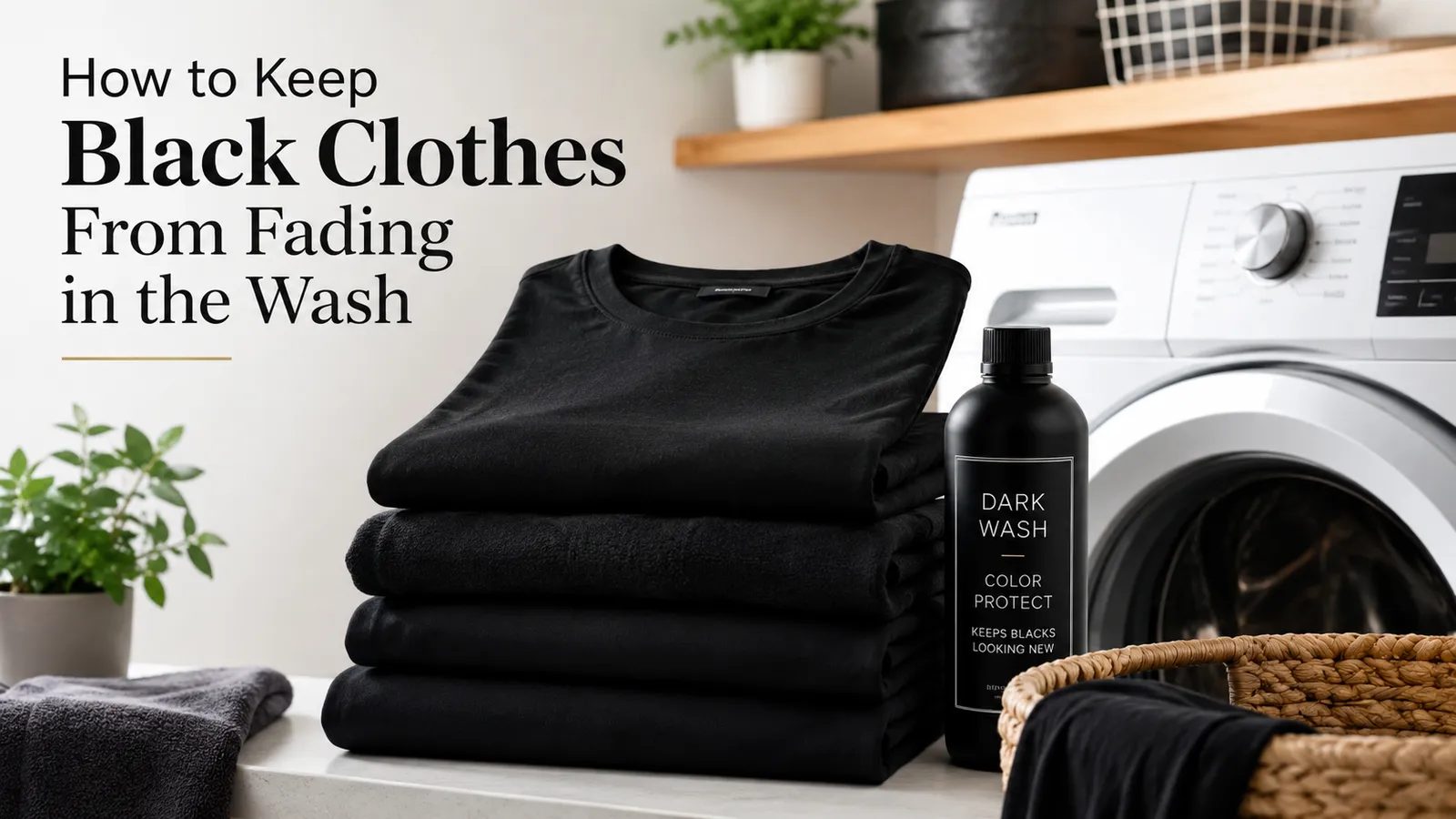
How to Keep Black Clothes From Fading in the Wash
Keep black clothes darker for longer with correct sorting, cold-water washing, detergent dosing, lower friction, gentle drying, and residue control.
Written by
EverydayFixes Editorial Team
In This Guide
Fast Solution
Quick Answer
Read the care label, separate black and dark garments from light colors, turn them inside out, close rough fasteners, and wash them in cold water on the gentlest cycle that will still clean the actual soil. Measure a detergent suitable for dark colors and avoid packing the drum tightly.
Remove the load promptly and air-dry in shade or use the lowest care-label-approved dryer heat. Before assuming the fabric has faded, check whether the grey appearance is actually detergent residue, lint, deodorant, dust, or an uneven wet patch.
Color loss cannot usually be reversed by normal washing. Patch-test stain treatments, follow the care label, and never use chlorine bleach or an unapproved whitening product on black fabric.
Time Required
10 minutes preparation plus washing and drying
Difficulty
Easy
Best For
Black shirts, jeans, trousers, hoodies, activewear, and dark fabrics
Important
Hot water, excessive detergent, heavy friction, and high-heat overdrying
Understand the issue
Why Black Clothes Fade or Start Looking Grey
Black fabric does not remain perfectly unchanged forever. Loose surface dye, repeated washing, friction, heat, sunlight, strong treatments, and normal wear gradually change how the fabric reflects light. The highest-wear areas—knees, thighs, seams, collars, elbows, pockets, and seat areas—usually fade first.
Not every pale area is permanent dye loss. Detergent residue can leave chalky streaks, lint creates a dusty surface, deodorant marks collect under the arms, and compressed or brushed fibers can reflect light differently. Identifying the actual problem is the first step toward keeping dark clothing looking better.
Repeated washing releases surface dye
Some color loss is normal, especially during early washes and on deeply dyed cotton or denim. Unnecessary washing increases the number of dye-releasing cycles.
Hot water increases stress on dye and fibers
High temperatures can increase color bleeding, shrinkage, and wear on many dark garments. The care label determines the safe temperature.
Friction roughens the fabric surface
Long cycles, crowded loads, rough items, zippers, hook-and-loop fasteners, and heavy tumbling create abrasion that makes dark fibers appear lighter.
Too much detergent leaves a pale coating
Excess product can remain on black clothing as white streaks or a dull grey film, creating the appearance of fading even when the dye is still present.
Harsh treatment removes or damages color
Chlorine bleach, strong stain removers, abrasive scrubbing, unsuitable cleaners, and undiluted concentrated products can permanently lighten black fabric.
High dryer heat and overdrying increase wear
Excessive heat and long tumbling expose fabric to both temperature and friction. Elastic, prints, denim, and dark cotton can show wear more quickly.
Direct sunlight affects exposed color
Strong sunlight can fade dark fabric during drying or storage, particularly when the same areas remain exposed repeatedly.
Lint and residue make black fabric look grey
Light lint from towels, tissues, fleece, and pale clothing collects visibly on black surfaces. Detergent and mineral residue can create a similar dull appearance.
Prepare first
What You Will Need
Gather these items before starting.
Detergent suitable for dark clothing
Choose a compatible product and measure it according to washer type, load size, soil level, concentration, and water conditions.
Mesh laundry bag
Useful for small, delicate, printed, or stretch dark garments that need protection from rough items and fasteners.
Lint roller or garment brush
Helps distinguish removable surface lint from permanent fading.
Drying rack or clothes hangers
Allow dark garments to air-dry in shade when their care labels permit it.
Optional color-catcher sheet
A compatible product may capture some loose dye in mixed dark loads, but it does not make unsafe color combinations risk-free.
Safety and care
Before You Start
Always follow the garment care label because black fabrics may contain cotton, wool, viscose, polyester, spandex, leather trim, prints, or special finishes.
Do not use chlorine bleach on black clothes.
Patch-test stain remover on an inside seam and follow its contact time.
Do not assume vinegar or salt can permanently reset dye after fabric manufacturing.
Keep dark garments away from strong direct sun during drying and storage when possible.
Dry-clean-only, structured, embellished, leather-trimmed, wool, and valuable garments may require professional care.
Main method
Step-by-Step Instructions
Follow every step in order for a safer and more reliable result.
Step 1
Check whether the problem is true fading
Brush or roll the surface to remove lint, then wipe a pale streak with a clean damp cloth. If the mark moves, becomes darker, or feels chalky, it may be residue instead of lost dye.
True fading usually remains after rinsing and follows wear patterns such as seams, knees, thighs, pocket edges, collars, and elbows. Bleach damage may appear as a sharply lighter orange, brown, red, or grey patch.
Helpful Tip
Photograph new black garments before their first wash so gradual color changes are easier to judge.
Step 2
Read the label and sort the load
Group black and very dark garments together, separating them from whites, pale colors, lint-producing towels, and heavily soiled items.
Also consider fabric weight. Heavy jeans, jackets, and garments with hardware can abrade lightweight black shirts, stretch fabric, and delicate knits.
Step 3
Turn garments inside out and secure fasteners
Turn washable black clothing inside out so the inner surface receives more direct friction during washing. Close zippers, buttons, snaps, and hooks, and secure hook-and-loop fasteners.
Place printed, stretch, lace, lightweight, or delicate black pieces in a mesh bag when the care label permits machine washing.
Step 4
Choose a care-label-safe water temperature
Cold water is suitable for many normally soiled dark garments and can help reduce unnecessary color loss. Use the exact temperature permitted by the garment label.
Heavily soiled, contaminated, oily, or hygiene-sensitive laundry may require a different care-label-approved cycle or treatment. Color protection should not replace adequate cleaning.
Step 5
Use a shorter gentle cycle when appropriate
Select the least aggressive cycle that will still clean the garment’s actual soil level. Reduced agitation and shorter wash time can limit friction on lightly worn dark clothing.
Do not use a delicate cycle for heavily soiled workwear if it will not clean effectively. Pretreat the dirty area or wash it separately using its label instructions.
Step 6
Measure the detergent instead of guessing
Use a detergent compatible with dark colors and the washer type. Follow the dose for the load size, concentration, soil level, and water hardness.
Too much detergent can leave white residue and force additional rinsing. Too little may leave soil and oils that make fabric look dull.
Step 7
Give clothes enough room to move
Do not pack the drum tightly. Black garments need enough water movement for detergent distribution and rinsing.
Wash dark clothes with similar fabrics and soil levels. Separate lint-producing fleece and towels from smooth black shirts and trousers.
Step 8
Remove promptly and dry with low heat
Take the clothes out when the cycle ends, shake them open, reshape seams, and prevent damp pieces from remaining twisted together.
Air-dry in shade when permitted or use the lowest suitable dryer temperature. Remove clothes when dry rather than continuing a long high-heat cycle.
Step 9
Store and maintain black clothing correctly
Store clean, fully dry garments away from dampness and prolonged direct sun. Fold heavy knitwear to prevent stretching and use suitable hangers for shirts and trousers.
Treat stains promptly, but spot-clean only with a compatible patch-tested product. Harsh local scrubbing can create a permanently pale area that looks worse than the original stain.
Choose the right method
Instructions by Material or Surface
Use the instructions that match your item.
Black cotton T-shirts and hoodies
Best for: Everyday cotton and cotton-blend clothing
Turn inside out, wash with dark garments, use cold care-label-safe water, and select a normal or gentle cycle based on soil level.
Air-dry in shade or use low heat. Avoid overdrying because cotton surfaces can become rough and appear faded.
Printed graphics may require lower temperatures and gentler drying than the base cotton fabric.
Black jeans and denim
Best for: Dark denim trousers, jackets, and skirts
Wash denim only when cleaning is needed, turn it inside out, close hardware, and use cold water with other dark items.
Use a gentle or denim-appropriate cycle and air-dry when possible. Heavy denim should be kept away from delicate black shirts.
New black denim may release loose dye during early washes. Wash it separately or with similar dark denim.
Black polyester and activewear
Best for: Sportswear, leggings, and performance fabric
Wash inside out with similar synthetic items and pretreat oily body-soil zones. Use a detergent compatible with performance fabric and avoid unnecessary fabric-softener coating.
Dry at the low temperature specified by the care label because high heat can affect spandex, prints, and moisture-managing finishes.
Black knitwear and wool
Best for: Sweaters, cardigans, and wool blends
Follow the label and use a wool- or delicate-compatible detergent. Minimize agitation, avoid temperature shock, and reshape while drying flat when instructed.
Do not use ordinary enzyme detergent unless it is specifically labeled safe for wool.
Hanging wet heavy knitwear can stretch it permanently.
Black printed or embellished garments
Best for: Screen prints, logos, embroidery, studs, and decorative details
Turn inside out, use a mesh bag where suitable, and choose a gentle care-label-approved cycle. Keep rough zippers and hardware away from the decoration.
Air-dry or use low heat according to the label, since prints and adhesive decoration may be more heat-sensitive than the fabric.
More options
Alternative Methods
Use these options only when they suit the material.
Remove detergent residue instead of redyeing
Best for: Black clothing that looks grey, chalky, or streaked after washing
Rinse and rewash the garment using a correctly measured detergent dose and an extra rinse when appropriate. Remove lint with a garment brush or lint roller.
Do not use fabric dye until you have confirmed that actual color has been lost.
Use a fabric-compatible black dye
Best for: Uniform dye loss on a garment whose fiber accepts home dye
Check the fiber content, thread, print, elastic, stitching, and trim. Different fibers absorb dye differently, so a blended garment may not become evenly black.
Follow the dye manufacturer’s safety and machine-cleaning instructions. Valuable or structured garments are safer with professional treatment.
Professional color restoration
Best for: Valuable garments, uneven bleaching, or difficult fiber blends
A professional cleaner or dye specialist can assess whether the piece can be recolored without affecting shape, lining, trim, or finish.
Bleach damage and localized chemical color loss may remain visible even after home dyeing.
Protect your item
Common Mistakes to Avoid
Washing black clothes with white towels or lint-producing light items.
Leaving garments right-side out with exposed prints and outer surfaces.
Using hot water without checking the care label.
Using excessive detergent and mistaking the residue for fading.
Packing the washer so tightly that dark clothes cannot rinse.
Using chlorine bleach or untested whitening stain remover.
Drying black clothes repeatedly at high heat or in strong direct sunlight.
Scrubbing one spot aggressively and creating a pale worn patch.
Trying to redye fabric before ruling out lint, deodorant, or detergent residue.
Optional tools
Helpful Products for This Fix
These product types are optional, not mandatory.
Detergent formulated for dark colors
Best for: Routine washing of black and dark garments
A compatible dark-color detergent may be designed to limit residue and unnecessary dye stress when correctly dosed.
Mesh laundry bag
Best for: Printed, stretch, delicate, or lightweight black garments
A mesh bag reduces direct contact with rough hardware and heavier fabrics while still allowing water and detergent movement.
Reusable lint roller or garment brush
Best for: Black garments that look dusty or grey
Removing pale surface fibers can restore the appearance without unnecessary rewashing or chemical treatment.
Common questions
Frequently Asked Questions
Should black clothes be washed in cold water?
Cold water is suitable for many normally soiled black garments and can help reduce dye loss, but the care label remains the final guide. Heavily soiled or hygiene-sensitive items may require a different label-approved method.
Should I turn black clothes inside out before washing?
Yes, for most washable black garments. Turning them inside out reduces direct friction on the visible surface, prints, and outer fibers. It does not replace correct sorting, detergent dosing, and cycle selection.
Does vinegar stop black clothes from fading?
Vinegar is not a reliable way to permanently reset modern fabric dye after manufacturing. It may also be restricted by the washer or garment instructions. Cold water, lower friction, correct detergent, and careful drying are more dependable habits.
Can salt keep black clothes black?
Salt is commonly suggested online, but it does not reliably restore or permanently set all modern dyes. Use the garment label and a detergent intended for dark colors instead of adding unapproved substances to the washer.
Why do my black clothes have white streaks after washing?
The streaks may be detergent residue, undissolved powder, lint, deodorant, minerals, or an overloaded rinse—not actual fading. Brush, rinse, and rewash the garment before considering dye restoration.
Can faded black clothes become black again?
Normal washing cannot replace dye that has been lost. A fiber-compatible black dye may refresh some plain garments, but blends, stitching, prints, elastic, and finishes may absorb color unevenly.
Should black clothes be air-dried or tumble-dried?
Air-drying in shade is gentle when the care label allows it. When using a dryer, choose the lowest suitable temperature and remove the garments when dry to limit unnecessary heat and tumbling.
Was This Guide Helpful?
Your feedback helps us improve future EverydayFixes guides.
Keep solving
Related Guides
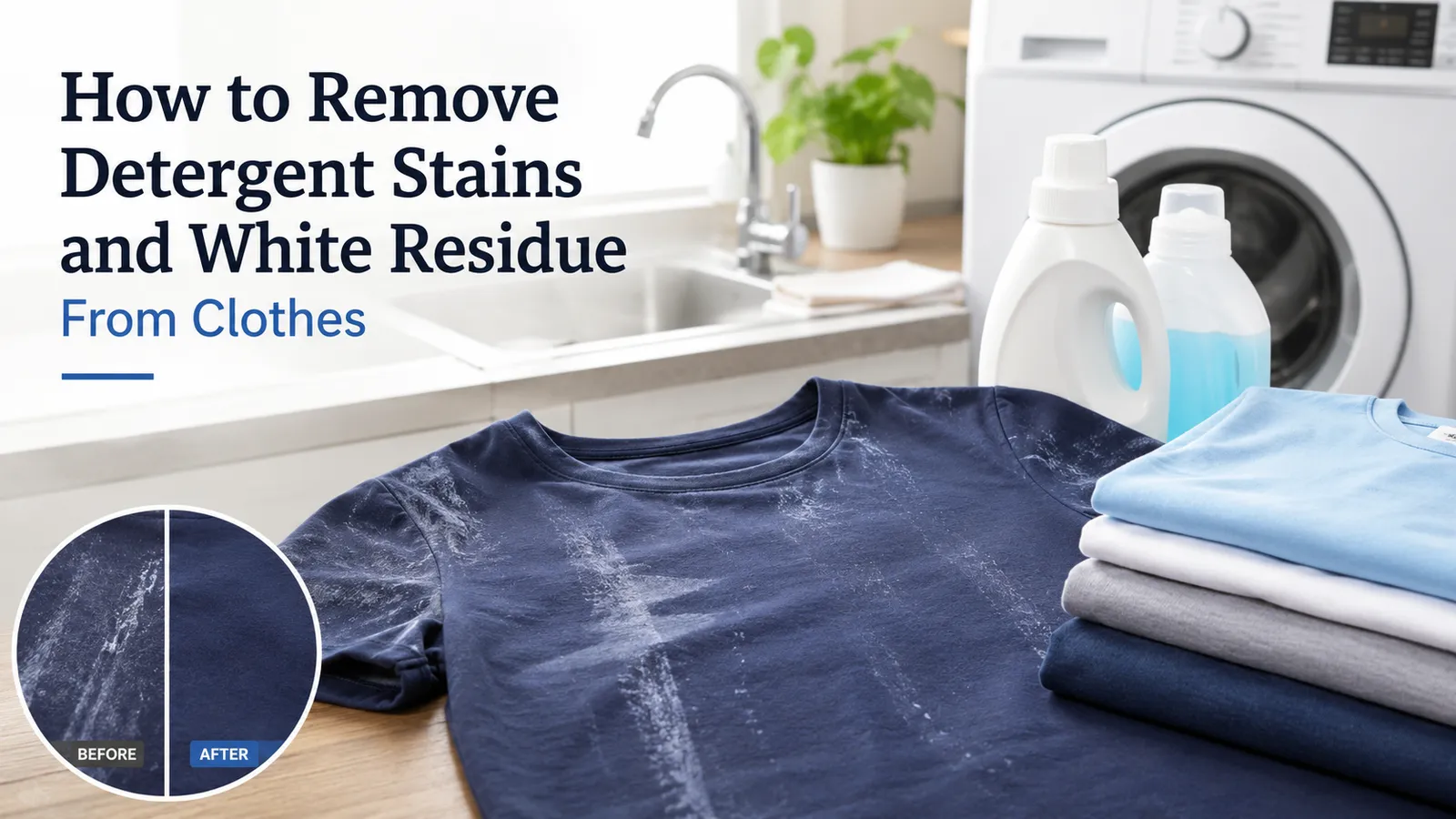
How to Remove Detergent Stains and White Residue From Clothes
Remove liquid detergent streaks, powder clumps, and white residue from dark or light clothes using fabric-safe rinsing, soaking, and rewashing methods.

Why Do Clothes Smell After Washing? 9 Causes and Fixes
Find out why clothes smell musty or sour after washing and fix detergent buildup, washer residue, trapped body oils, overloading, and slow drying.