How to Clean Suede Shoes Without Ruining the Texture
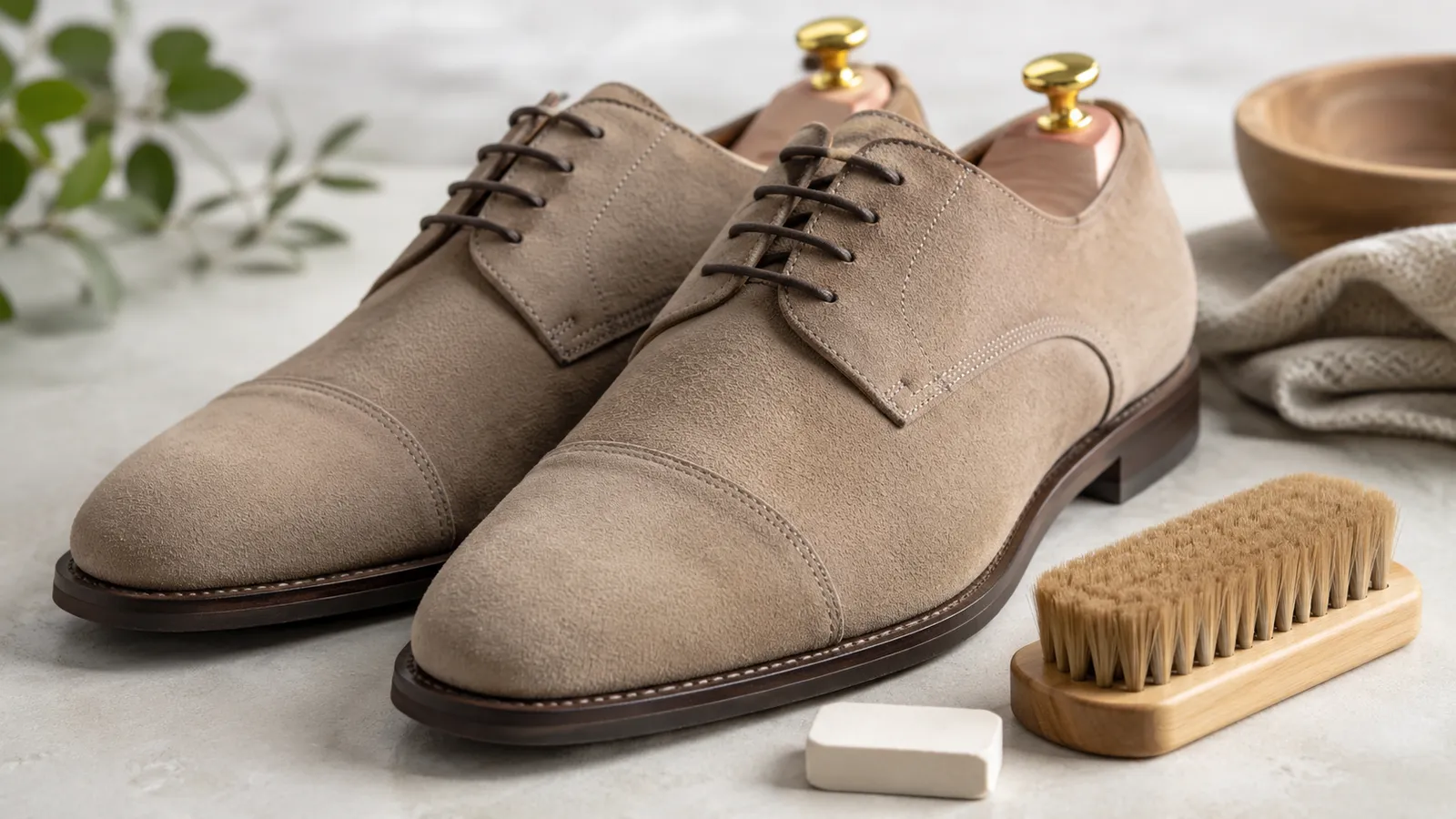
Clean suede shoes with a dry-first method for dirt, scuffs, water marks, and small stains without flattening the soft nap.
Written by
EverydayFixes Editorial Team
In This Guide
Fast Solution
Quick Answer
Let suede shoes dry completely, support their shape, and brush away loose dirt with a clean suede brush using light strokes. Use a suede eraser on dry scuffs, then brush the full panel again so the nap lies evenly.
For water marks, oil, salt, dye transfer, or deep stains, use a cleaner specifically labeled for suede or seek professional care. Keep moisture minimal, patch-test first, air-dry away from heat, and restore the nap only after the material is fully dry.
Suede and nubuck can darken, stiffen, or lose texture when over-wet. Confirm the material, follow its care label, patch-test every product, and stop if color transfers or the nap becomes shiny.
Time Required
30–60 minutes plus drying
Difficulty
Medium
Best For
Suede and nubuck shoes with dry dirt, scuffs, or small marks
Important
Soaking, detergent, and hard scrubbing
Understand the issue
Why Suede Requires a Dry-First Cleaning Method
Suede is leather with a soft raised surface, commonly called the nap. The direction and height of those fibers affect how light reflects, so an area can look darker even when it is clean. Water, pressure, oil, heat, and unsuitable cleaners can flatten or stain the nap and make a small mark look larger.
The safest approach is to begin with the least aggressive method: dry completely, brush gently, use a suede eraser for surface marks, and add only the amount of suede-specific cleaner required by its label. Treating the whole visible panel evenly is often safer than soaking one small spot.
Nap pressed in different directions
Suede reflects light differently depending on how the fibers lie. Pressure from storage, rubbing, or cleaning can create a dark or shiny-looking patch without actual staining.
Embedded dry soil
Fine dust settles between the fibers and dulls the color. Brushing wet soil usually pushes it deeper, so mud should dry before removal.
Uneven moisture and water marks
A wet spot may dry with a visible boundary when only one small area is saturated. Minerals, dirt, or previous products can make the edge more obvious.
Oil and skin contact
Food oil, hand cream, and natural skin oils can darken suede quickly because the porous surface absorbs them. Rubbing spreads the oil and compresses the nap.
Wrong cleaner or conditioner
Laundry detergent, smooth-leather cream, bleach, strong solvent, and heavy fragrance can leave residue, change color, or glue the fibers together.
Prepare first
What You Will Need
Gather these items before starting.
Suede brush
Use a clean brush designed for suede or nubuck. Different brush sides may be intended for flat panels, seams, or stubborn dry soil.
Suede eraser
A clean suede rubber lifts many dry scuffs and surface marks with controlled friction.
White absorbent cloth
Use it to blot fresh moisture without rubbing or transferring dye.
Suede-specific cleaner
Choose a product labeled for the exact material and color. Follow its directions instead of improvising a strong household mixture.
Shoe trees or plain white paper
Support the shape and provide a firm surface while brushing.
Optional suede protector
Apply only to clean, fully dry shoes when the product label and manufacturer allow it.
Safety and care
Before You Start
Confirm whether the material is genuine suede, nubuck, faux suede, or a textile made to look like suede.
Let wet mud and damp suede dry naturally before brushing.
Do not use ordinary laundry detergent, chlorine bleach, smooth-leather conditioner, or an unlabeled stain remover.
Patch-test cleaner and protector on a hidden area, then let the test dry completely before judging the result.
Valuable shoes, strong dye transfer, deep oil, unknown solvent, or widespread discoloration are safer with a professional cleaner.
Work in ventilation and keep aerosol protector away from flames, children, pets, and breathing zones.
Main method
Step-by-Step Instructions
Follow every step in order for a safer and more reliable result.
Step 1
Confirm the material and inspect the damage
Read the label or product description and check whether the shoe is suede, nubuck, faux suede, or a mixed-material design. Identify water marks, dry mud, oil, salt, dye transfer, flattened nap, loose stitching, and color loss before choosing a method.
If the surface feels synthetic or the label gives a textile cleaning code, follow that care guidance rather than assuming every fuzzy finish behaves like genuine suede.
Step 2
Let the shoes dry and support their shape
Allow damp shoes and wet mud to dry naturally at room temperature. Remove laces if they block access, then insert shoe trees or plain white paper without over-stretching the upper.
Keep the shoes away from radiators, hair dryers, tumble dryers, and strong direct sun. Rapid heat can stiffen leather, affect glue, and lock the nap in an uneven position.
Step 3
Brush the full panel gently
Use light strokes in the natural direction of the nap to lift loose soil. Work from cleaner areas toward dirtier areas and use the edge of the brush carefully around seams and welts.
After the loose dirt is removed, short side-to-side strokes may help raise a flattened area, but stop before the surface becomes shiny or abraded.
Helpful Tip
Brush both shoes under the same lighting so differences caused only by nap direction are easier to see.
Step 4
Use a suede eraser on dry scuffs
Rub the eraser lightly over a small dry mark, lift it away, and brush off crumbs. Repeat gradually instead of applying heavy pressure in one pass.
Treat only true surface scuffs with the eraser. Stop if the color lightens, fibers break, or the area turns smooth.
Step 5
Blot fresh liquid or isolate an oil spot
For a fresh water-based spill, press a clean white cloth against the area to lift moisture. Do not rub outward because that enlarges the wet boundary.
For fresh oil, avoid adding water immediately. Blot excess without pressure and use a suede-approved absorbent treatment or professional care, especially on pale or valuable shoes.
Step 6
Treat remaining marks with suede-specific cleaner
Read the product label, patch-test, and apply only the recommended amount. Some cleaners are designed for a whole panel or pair rather than one saturated dot, which can reduce visible rings.
Use a clean applicator, avoid soaking seams and glued edges, and remove excess exactly as directed. Do not combine the cleaner with vinegar, detergent, bleach, or another stain remover.
Step 7
Air-dry completely without touching the nap
Place the shoes in a shaded, ventilated area at room temperature. Keep the shape supported and allow the material to dry naturally before deciding whether the stain is gone.
Suede often looks temporarily darker while damp. Brushing or adding another product before it dries can spread the treatment and flatten the fibers.
Step 8
Restore the texture after drying
Once the suede is fully dry, brush the whole panel lightly in one direction. Use a few gentle side-to-side strokes only where the nap remains flattened, then finish with uniform strokes.
Compare both shoes in natural indoor light. A slight shade difference may be nap direction rather than remaining dirt.
Step 9
Protect clean suede and store it correctly
If permitted, apply a suede-compatible protector to clean, fully dry shoes according to the label. Use thin, even coverage in ventilation and let the protector cure before wearing.
Store suede away from damp floors, plastic bags, direct sunlight, and pressure that crushes the nap. Brush lightly after dusty wear instead of waiting for heavy buildup.
Choose the right method
Instructions by Material or Surface
Use the instructions that match your item.
Genuine suede
Best for: Soft, visibly napped leather
Use a dry-first sequence: brush, erase, then apply a suede-labeled cleaner only when necessary. Keep treatment even across the visible panel and restore the nap after complete drying.
Genuine suede readily absorbs oil and uneven moisture.
Nubuck
Best for: Fine buffed leather with a shorter nap
Use nubuck-safe tools and products. Because the nap is shorter, pressure marks and uneven treatment can be more obvious, so work lightly and inspect frequently.
Do not apply wax or smooth-leather polish unless the manufacturer specifically approves it.
Faux suede
Best for: Synthetic microfiber or textile with a suede-like finish
Follow the care label because synthetic finishes vary widely. Some tolerate a controlled water-based cleaner, while others show tide marks or lose their finish.
Use the dry brush and hidden-area test before expanding treatment.
Do not assume faux suede can be machine washed.
Mixed suede and leather shoes
Best for: Sneakers or boots with several upper materials
Clean each material separately. Keep leather conditioner, water, and general sneaker cleaner off the suede, and keep suede brush debris away from wet leather sections.
Seams and color-blocked panels may transfer dye when damp.
More options
Alternative Methods
Use these options only when they suit the material.
Professional suede cleaning
Best for: Deep oil, ink, dye transfer, mold-like growth, or valuable footwear
A specialist can assess whether the mark is removable without creating a larger color difference. Professional help is also appropriate after a failed home treatment or when the finish is already stiff or shiny.
Manufacturer-approved white-vinegar spot treatment
Best for: A specific mark when the shoe brand explicitly allows it
Some manufacturer care guides mention a small amount of white vinegar for selected suede marks. Use it only when the shoe instructions support it, patch-test first, keep moisture minimal, and let the area dry before brushing.
A labeled suede cleaner is more predictable when the finish, dye, or previous treatment is unknown.
Suede protector after cleaning
Best for: Clean, dry everyday shoes
A compatible protector may reduce future water and soil absorption, but it does not make suede waterproof. Reapply only as directed and never spray dirty or damp footwear.
Protect your item
Common Mistakes to Avoid
Brushing wet mud into the fibers.
Soaking one small area and creating a visible water ring.
Using laundry detergent, chlorine bleach, smooth-leather cream, or an unlabeled stain remover.
Scrubbing until the nap looks shiny or bald.
Adding a second treatment before the first one dries completely.
Drying beside a heater, with a hair dryer, or in harsh direct sunlight.
Applying protector over dirt, oil, or damp suede.
Treating deep oil, dye transfer, or valuable footwear too aggressively at home.
Optional tools
Helpful Products for This Fix
These product types are optional, not mandatory.
Suede brush and eraser kit
Best for: Routine dry cleaning, dust, and surface scuffs
The tools support the low-moisture method suede needs and allow gradual treatment with frequent inspection.
Suede- and nubuck-specific cleaner
Best for: Marks that remain after brushing and erasing
A labeled product provides clearer application and drying instructions than an improvised household mixture.
Suede-compatible protector
Best for: Clean, fully dry everyday shoes
A compatible protector may reduce how quickly light moisture and soil penetrate the nap.
Common questions
Frequently Asked Questions
Can I clean suede shoes with water?
Use dry methods first. Water can darken suede, flatten the nap, or leave a ring when one area becomes wetter than the rest. Apply moisture only when the care label or a suede-specific cleaner requires it, and patch-test before treating the visible panel.
Can I use vinegar on suede shoes?
Some manufacturer guides mention a small amount of white vinegar for selected marks, but suede dyes and finishes vary. Use it only when the shoe instructions permit it, patch-test first, and keep the area lightly treated. A labeled suede cleaner is generally more predictable.
Can suede shoes go in the washing machine?
Do not machine wash genuine suede or nubuck unless the manufacturer explicitly says the exact shoe is washable. Tumbling, soaking, detergent, and spin force can change the nap, shape, glue, and color.
How do I remove oil from suede shoes?
Blot fresh oil without rubbing and avoid adding water. Use a suede-approved absorbent treatment or professional cleaning, especially for pale, valuable, or deeply saturated suede. Repeated wet scrubbing usually spreads the dark area.
Why does suede look darker after brushing?
The nap reflects light differently when brushed in another direction. Finish by brushing the full panel uniformly and compare it after the fibers settle. A patch that stays shiny, flat, or discolored may be damaged rather than dirty.
How do I restore the soft texture after cleaning?
Wait until the suede is completely dry, then use light strokes with a clean suede brush. Do not brush damp suede or apply heavy pressure; both can stretch, flatten, or polish the fibers.
When should suede shoes be professionally cleaned?
Choose professional care for deep oil, ink, strong dye transfer, widespread water damage, valuable footwear, mold-like growth, or any stain that has already worsened after home treatment.
Was This Guide Helpful?
Your feedback helps us improve future EverydayFixes guides.
Keep solving
Related Guides
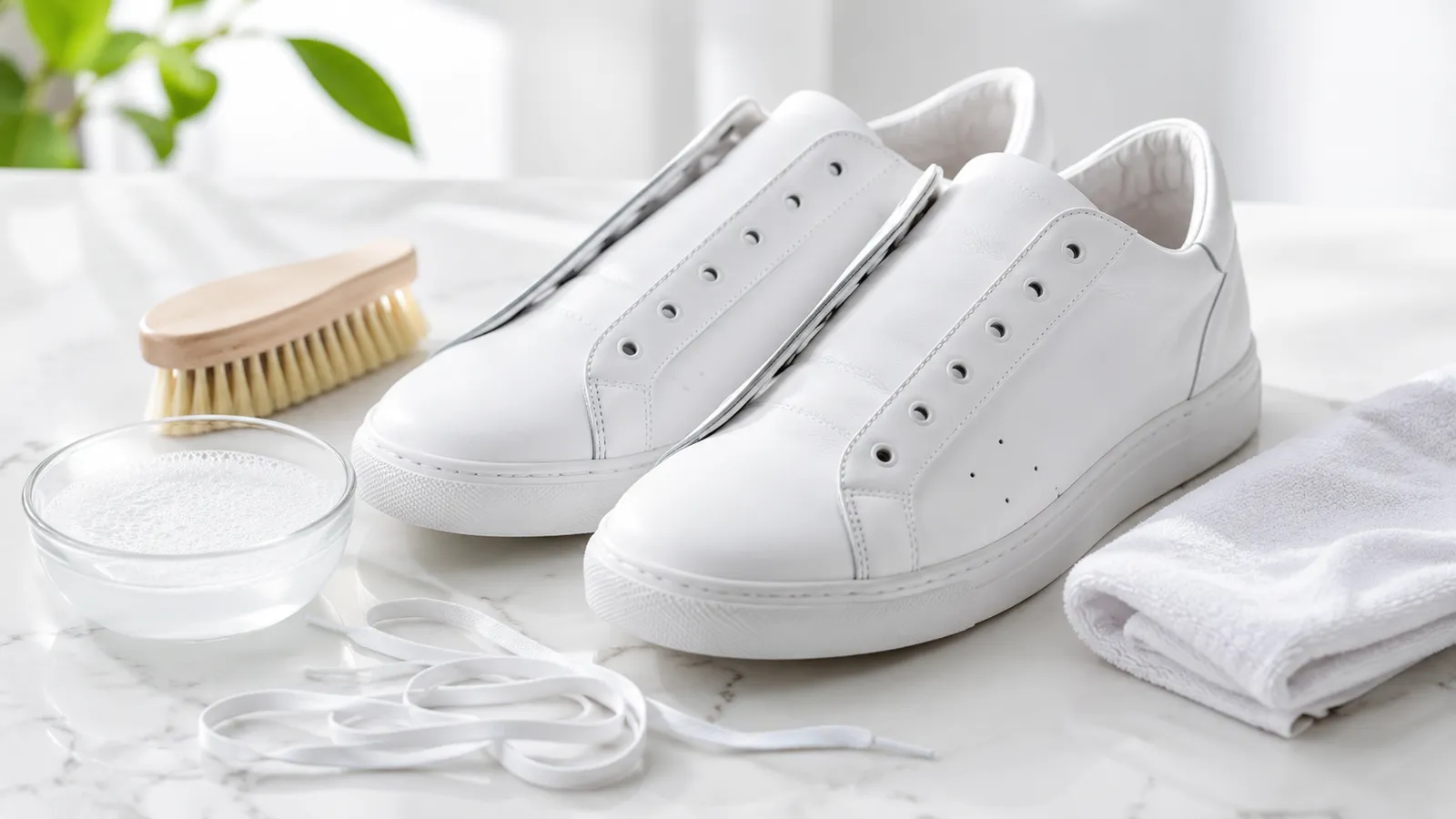
How to Clean White Shoes Without Turning Them Yellow
Clean white canvas, mesh, synthetic, and leather shoes without leaving yellow marks, soap residue, or heat damage.
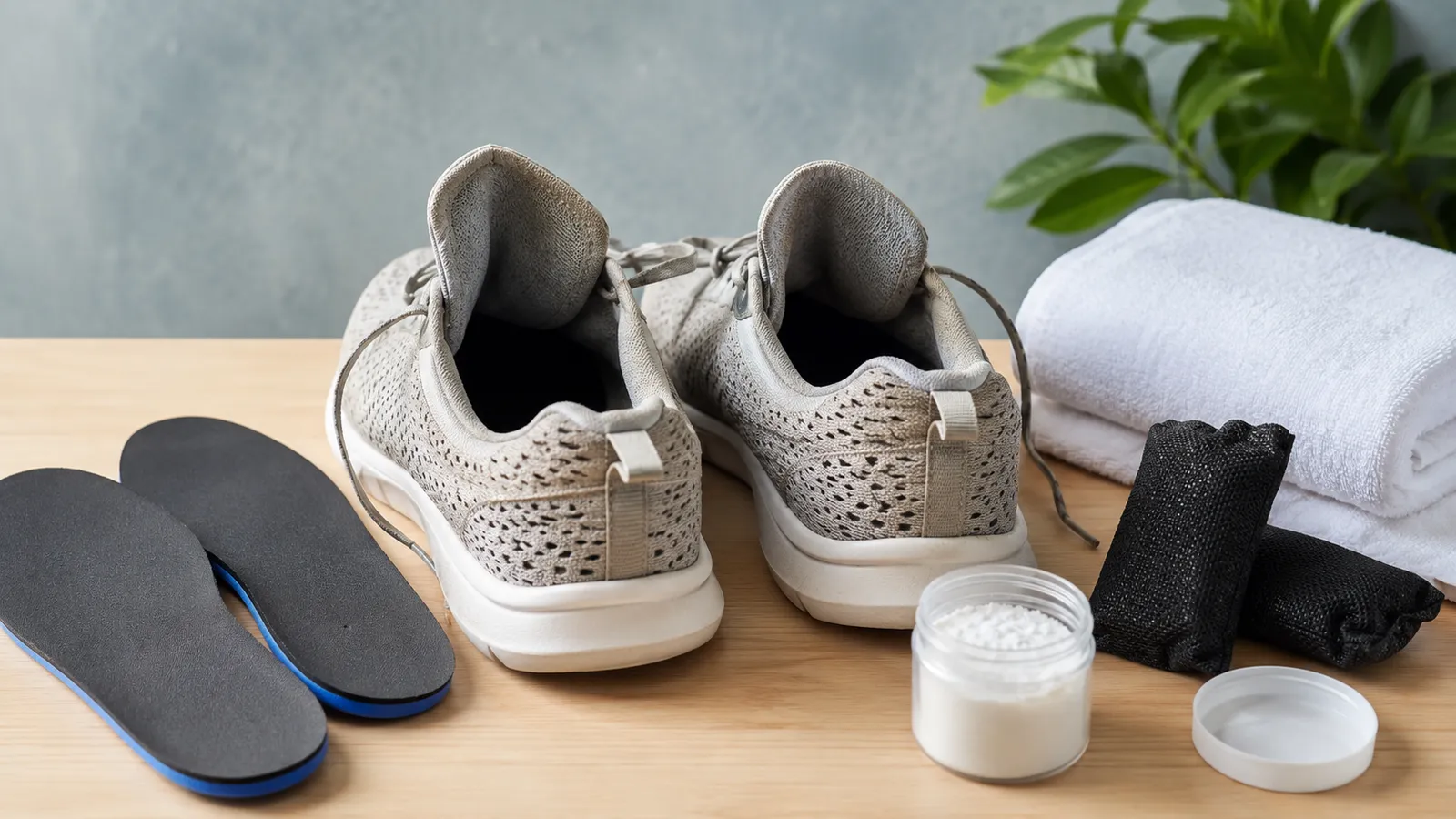
How to Get Smell Out of Shoes and Keep It From Coming Back
Remove odor from sneakers, gym shoes, work shoes, and insoles by cleaning the source, drying moisture, and preventing repeat buildup.